
Inside: These minimalist meal planning tips are what helped me go from hours meal planning every week to minutes. Dial down the meal planning stress and spend the time you save doing…literally anything else.
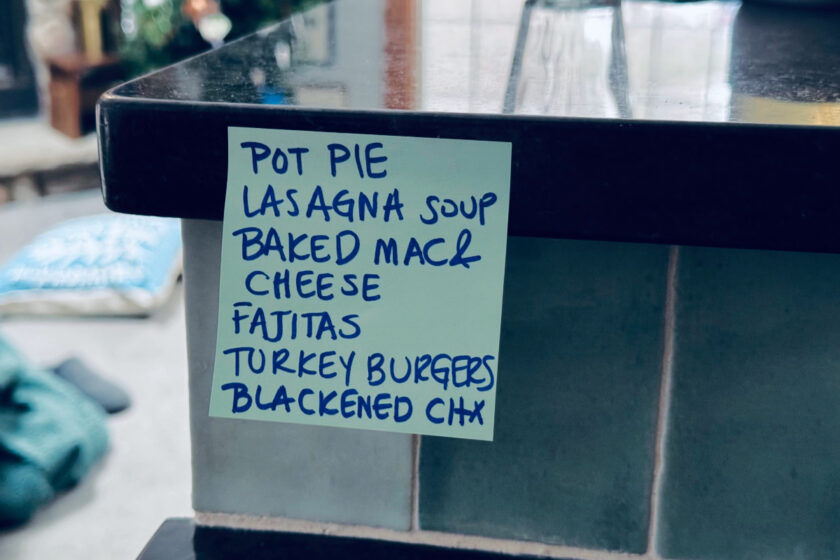
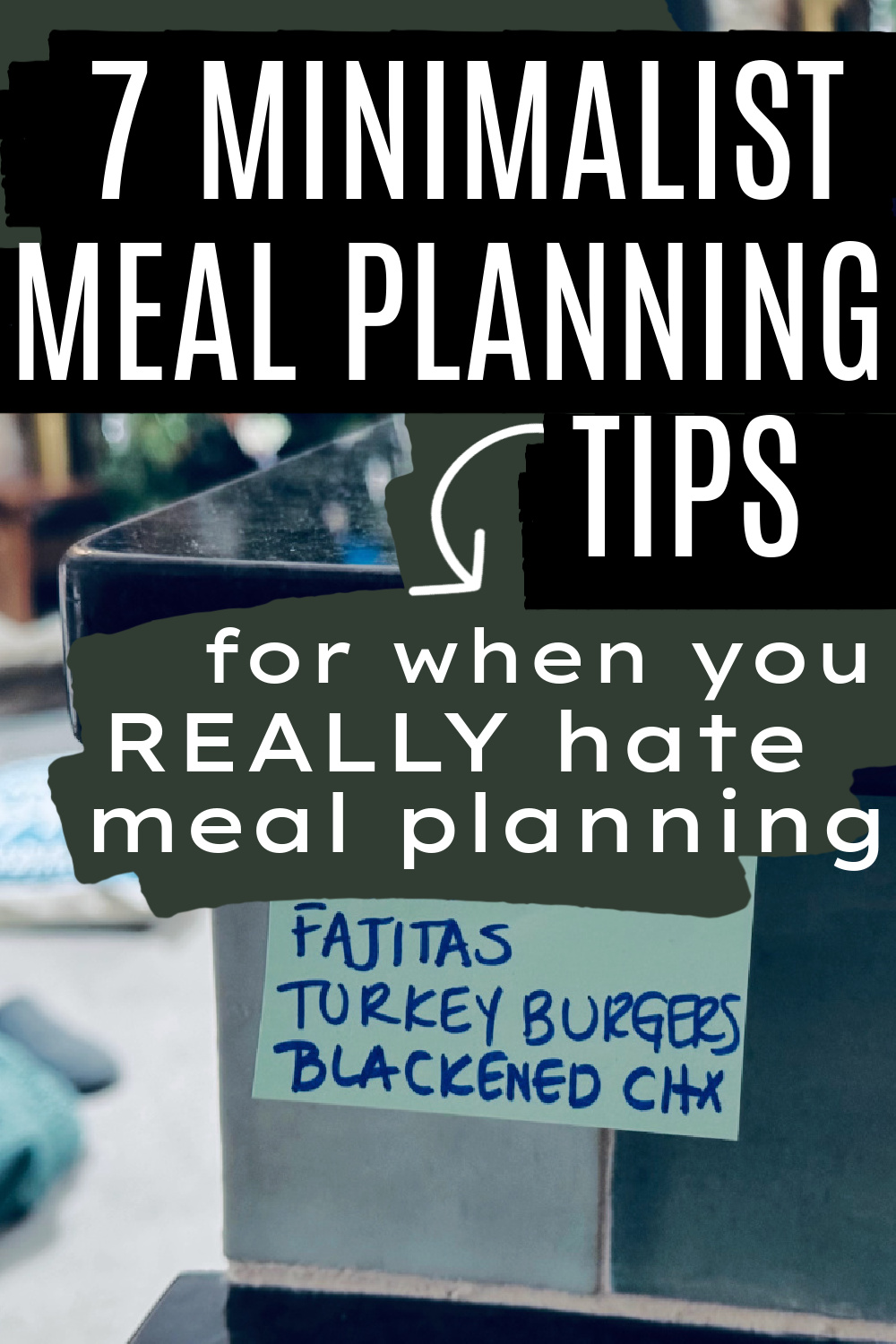
A few days ago, I sat down to make my meal plan for the week. I grabbed last week’s meal plan, a fresh stack of post-its and a black sharpie and sat down to think.
Did we want a special meal for Christmas? Nope. No one would appreciate it, especially not me, the person who would most definitely be making it.
I carried over a meal or two from last week that didn’t get made, and I already had the ingredients for. I jotted down the mac and cheese for the week (we rotate between two different recipes, including THIS baked mac and cheese), an easy chicken recipe, and a couple more involved recipes to fill out the week.
Done. Meal planning took me less than ten minutes.
I used to spend HOURS meal planning every week – seriously, HOURS. So what changed?
You Might Also Like: Easy Dinner Ideas from Costco (Delicious & Almost No Prep)
7 Minimalist Meal Planning Tips – Or How I Went from Hours of Meal Planning Each Week to Minutes

THIS POST PROBABLY CONTAINS AFFILIATE LINKS. AS AN AMAZON ASSOCIATE, I EARN FROM QUALIFYING PURCHASES. YOU CAN READ OUR FULL DISCLOSURE POLICY HERE.
I started meal planning over fifteen years ago, and it used to take me FOREVER. I would sit down with grocery flyers to see what was on sale that week, overthink the menu to death and take hours to finish (I’m not exaggerating – it was bad).
Meal planning literally made my brain hurt, and I dreaded it week after week. I knew I needed to do it because having an actual plan for dinner is a good idea for your sanity AND your wallet, but it was soooo painful.
Thank goodness, I discovered minimalism.
Decluttering transformed my house and gave me back time and energy. It lightened my mental load around my house, so I figured if I applied the same principles to my meal planning, it had to make a difference, right? And it worked!
Minimalism isn’t just about getting rid of stuff, but about helping you block out the noise and figure out what really matters to YOU. So you can build a home and a life based on you and/or your family’s values – not your mom’s, your mother-in-law’s or your best friend’s.
You can do the same exact thing with meal planning! Eliminate what doesn’t bring value to your life, and keep the rest.
For our family, looking at our values led us to…
- Stop stressing about every family member eating the same meals.
- Ditching family dinner because we’re together all day, every day.
- Stop planning lunches or breakfasts (we have a few things on hand to choose from).
- Make the same 12-15 simple meals on rotation.
Not all of these tips are guaranteed to work for you, but if you are tired of pulling your hair out every single week about meal planning, I am certain that trying even a few of these tips will make it easier.
1. Only plan 5-6 meals a week (breakfast and lunch? Nope and nope).

I’ve seen meal planners with slots for breakfast, lunch, dinner and snacks every freaking day of the week. That is, in my humble opinion, ridiculous.
I only plan 5-6 dinners to cook each week. And often, I don’t end up making all of them. Every week, at least one gets pushed to the following week.
I know some families with fewer people who only plan three meals a week. They double the recipes and eat the leftovers.
We have more people in our family eating the same meals, and we like more variety, so I plan more meals. But if three meals a week works for you, I say do it!
As for breakfasts and lunches, we keep the same few things on hand for these and don’t overthink it.
I only cook breakfast maybe once a week? Usually THESE scones or easy pancakes from a Costco-sized bag of mix that you just add water to. And I don’t plan on it – it’s because I want to. Lunches are leftovers or easy to cook in the air fryer or reheat from the fridge meals.
2. Reuse the same meals over and over again for faster, easier cooking.

Sit down and make a list of several recipes you or your family enjoys. Stick to fifteen or less.
In THIS minimalist book, the author suggests putting them on index cards. Or you could keep a list in your phone’s notepad to refer back to.
I like to do this seasonally – usually I have one list of meals for fall/winter/spring and one for summer (we don’t have central A/C in our kitchen).
These are your core meals! No need to seek out new recipes every single week, unless you genuinely enjoy trying new recipes regularly. And the more frequently you cook them, the more automatic it will become, saving precious brain space for more important things.
If you enjoy variety and finding new recipes, maybe choose one week a month for new recipes. That way you can rotate through your tried and true recipes to lighten the mental load for the majority of the month.
Personally, I only get the urge to try new recipes every few months, so I only incorporate new recipes into my meal planning occasionally.
Related: 7 Best Books On Minimalism and Simple Living
3. Remember that a “meal” can be ridiculously simple.
I’m not sure where we all got the idea that we need to be cooking ridiculously fancy meals every night. We are NOT ALL professional chefs, am I right?
But I’m here to tell you that meals don’t need to be fancy! They can be stupid simple.
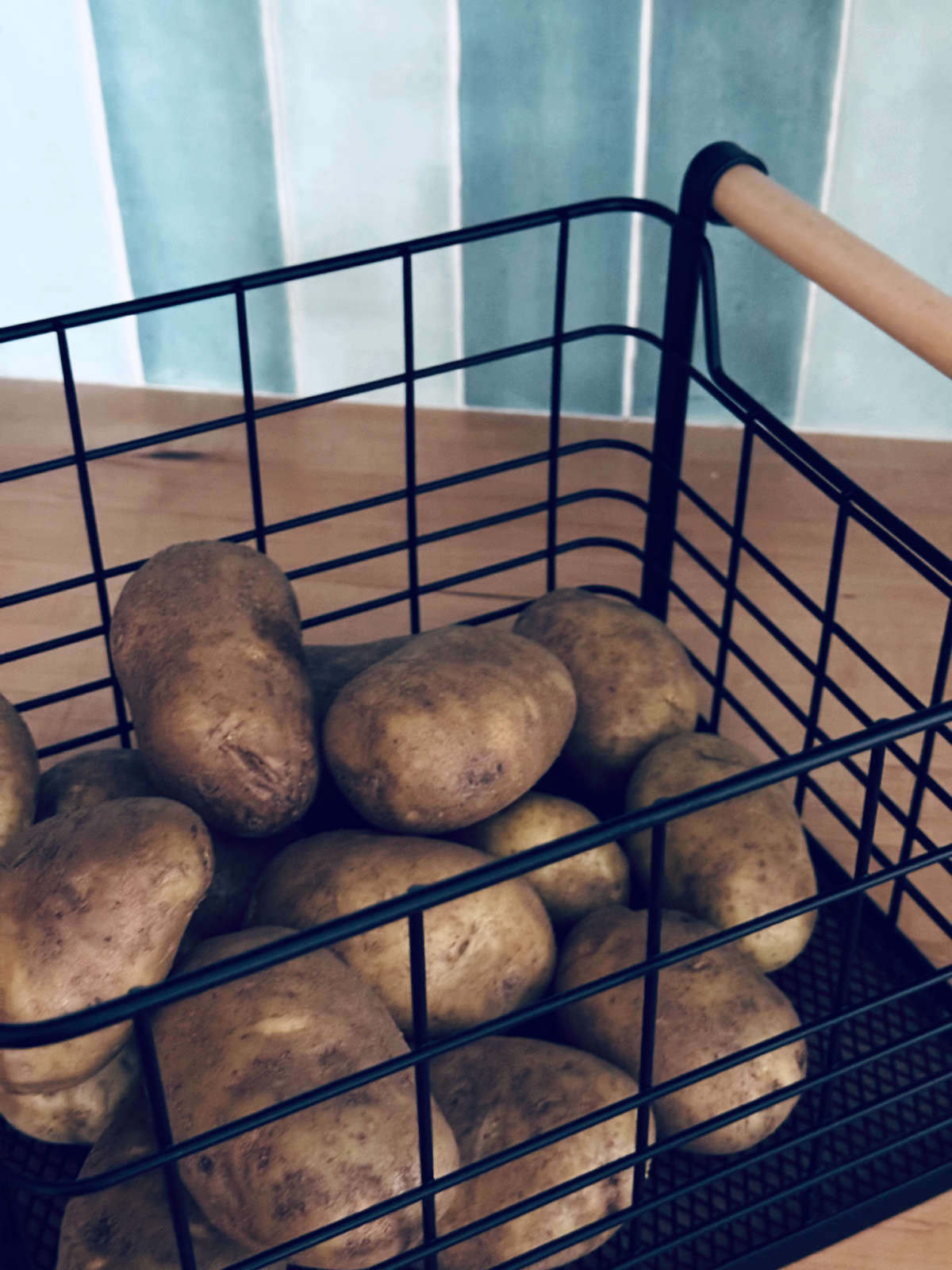
We have a baked potato night almost every single week because it’s SO FREAKING EASY, and it changes based on what leftovers we have on hand.
If we have chili leftovers, they’re eaten with chili. If we have bacon leftovers, chopped bacon and cheese gets added with steamed broccoli on the side.
I use the spice mixture from THIS recipe to make simple chicken almost every single week. Everyone can eat it differently – on a sandwich or a salad, mixed with simple steamed vegetables or with steamed rice.
4. Do NOT assign meals to specific days.
I used to assign meals to specific days. Yeah, I don’t do that anymore.
I often decide the day before which meal I’m going to make from my weekly meal plan. But sometimes, life happens and that meal gets pushed to the next night, which is perfectly fine!
The more flexibility you can build into your meal planning, the less frustration you’ll have when life doesn’t go the way you plan.
But June, what if I have specific ingredients that need to be used by specific times? That’s where my next tip comes in…
5. Substitute dried herbs and shelf stable ingredients whenever possible, or choose new recipes with these ingredients.
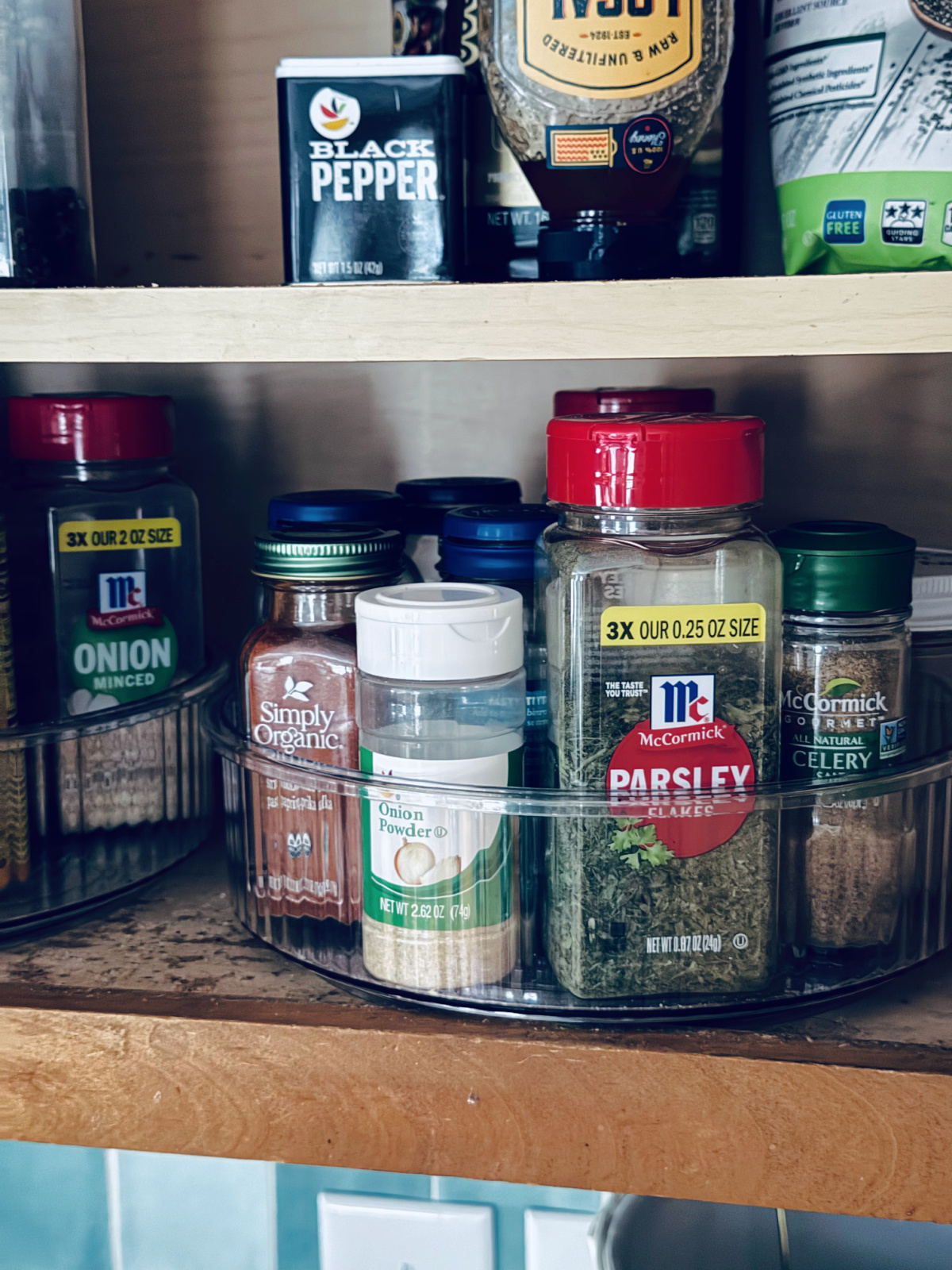
After throwing away fresh herbs gone bad too many times, I started substituting dried herbs for fresh in recipes. It makes it so much easier to keep ingredients for certain meals on hand for easy meals, like THIS 20-minute chicken tortilla soup.
The only exceptions are cilantro and chives, which we get occasionally when we use it for salsa, tacos, flatbread pizzas or baked potatoes. And we do get fresh spinach, but it can easily be frozen a couple days in to save it from going bad.
As for shelf stable ingredients, we cook a lot with peppers, which last a long time in the refrigerator. Or onions, which last a long time on the shelf. Limes and lemons can last a few weeks in the fridge.
We only adopt new recipes if they rely on jarred or canned goods or meats that last a long time in the fridge (like the jalapeno sausage from THIS recipe) or can be frozen and saved for later.
This will put less pressure on you, the meal planner and family cook, to use things up, AND it will lead to a lot less food waste.
6. Make moving frozen meat to the refrigerator for the next day’s meal part of your evening or morning routines.
Have you ever gone to cook dinner and realized, crap, I forgot to thaw the meat? Yeah, me too.
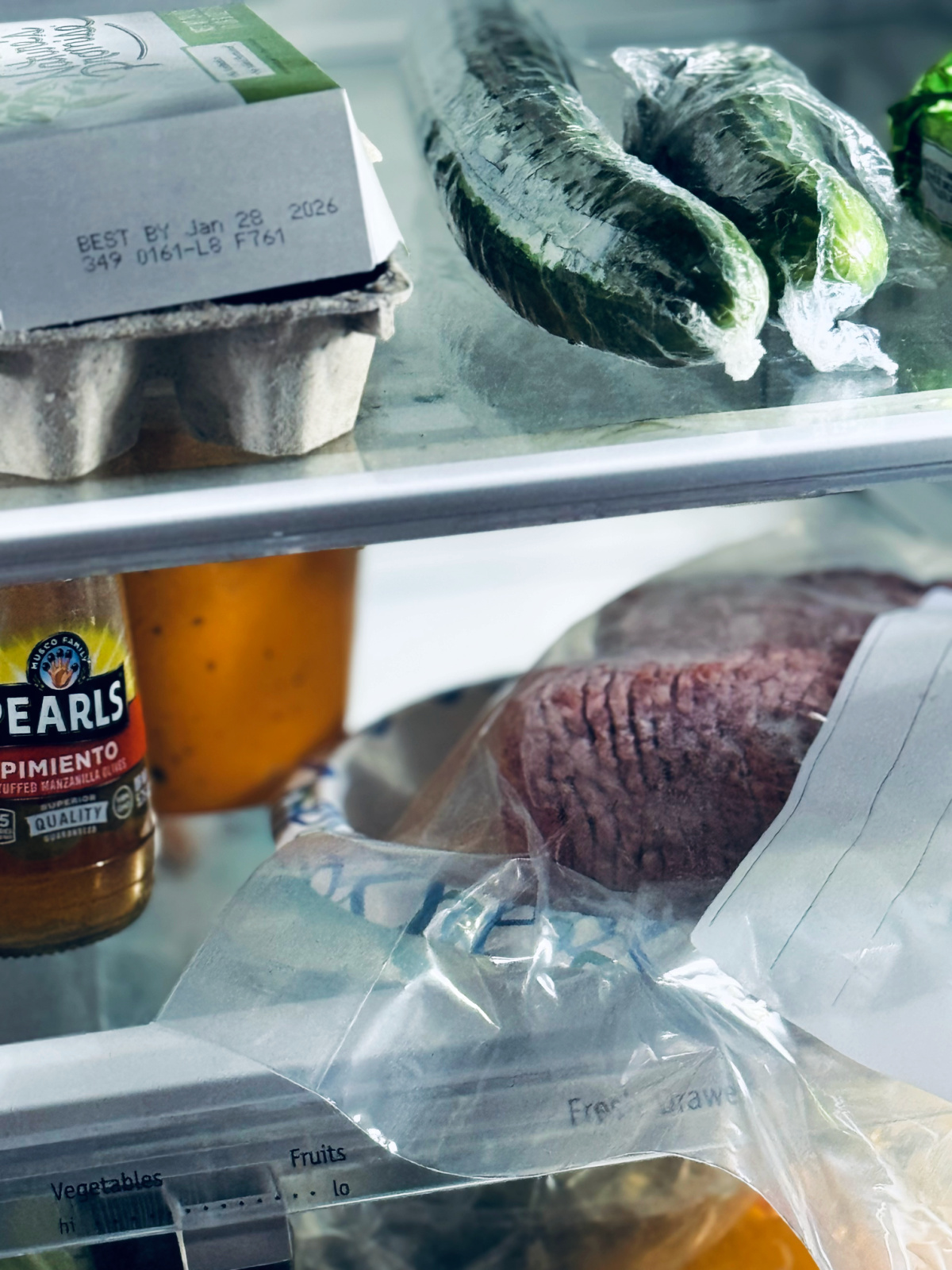
The biggest potential set-back you’ll face in flexible meal planning is unthawed meat. So make it part of your routines to choose a meal from your weekly meal plan and move whatever meat is required from the freezer to the fridge.
But worst comes to worst, if you forget to thaw the meat, put it in the refrigerator for the next day once you remember and pick another meal that doesn’t require you to thaw meat. Or choose something from your list of back-up meals.
7. Cooking “dinner” at lunchtime just might change your life.
This tip only works if you work from home or stay home full-time, but it’s priceless if you absolutely hate cooking, OR you lose momentum later at night and procrastinate cooking until everyone is ravenous and hangry (anyone else?).
It seems like such a simple tip, but in a culture steeped in cooking for dinner, not lunch, it took me a long time to wrap my head around it.
My husband and I are eating opposites: he wants dinner promptly at 5pm, and I graze all day and have ADHD (and therefore time blindness and procrastination problems). When I started making dinner at lunch a few days a week, it removed a big cause of friction in our relationship because “real food” was there for him to reheat.
Simply cook the meal you planned for dinner for lunch, instead. That way you have leftovers for dinner that night, and you’re off the hook when your brain is quite possibly fried.
Bonus: Keep easy “emergency” meals on hand for when you don’t feel like cooking or when life happens (as it inevitably does).

This is essential! Especially if you’re trying to save money by avoiding unplanned drive-thru trips.
Keep things like…
- Frozen pizzas.
- Nuggets.
- Ingredients for quick meals (THIS soup).
- Simple sandwich stuff.
- Charcuterie board ingredients (great quick dinner!).
That way, if you forgot to thaw the meat or your laundry room floods or you just don’t feel like cooking, you’ve got a back-up dinner plan ready to go.
I Hope Minimalist Meal Planning Changes Your Life, Too
Meal planning shouldn’t take up so much time and brain space! I hope these tips help you lighten the mental load around feeding yourself and/or your family.
Because lord knows moms need that mental load bandwidth for other things.
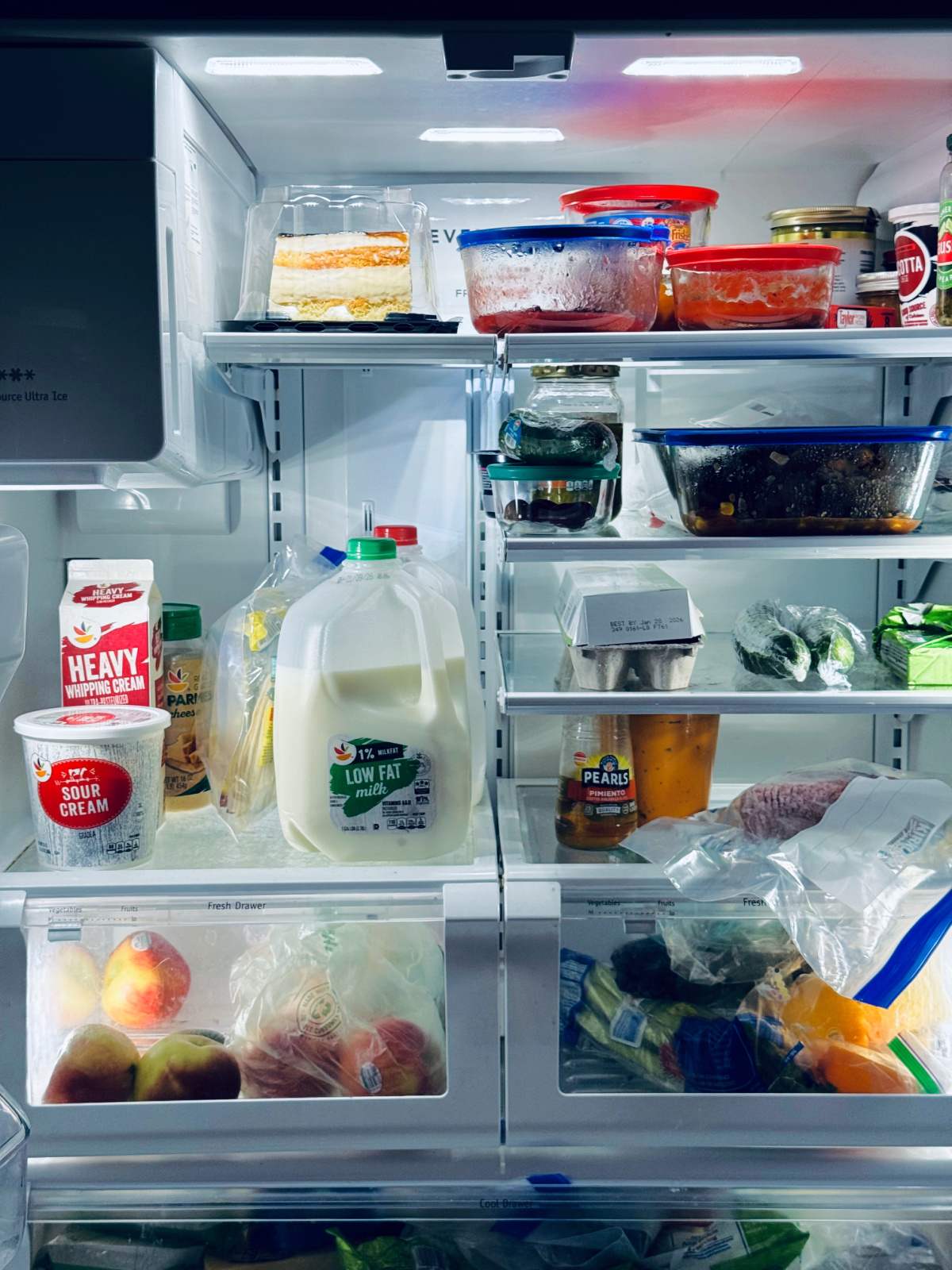
If you follow these minimalist meal planning tips, you’ll also start to notice that you have less food clutter because you stop filling your fridge and pantry with random ingredients for one-off recipes that you’ll never make again.
And when you stop buying all those random ingredients, you’ll start saving money on groceries and wasting less. It’s a beautiful domino effect.
Minimalist meal planning has SO many benefits. If you implement any of these tips and they make your life better, let me know in the comments!
More Ways & Reasons to Simplify Your Life:
- 10 Compelling Reasons to Become a Minimalist Mom
- 21 Little Ways to Make Life Easier (Because Adulting Is Hard)
- 101 Easy Things to Declutter Today (That 100% Need to Go!)
Thank you for your post. What an interesting concept!
I thought I’d share a meal planning idea which I used for years. We were paid a monthly salary so I shopped once a month for non perishables or freezable items. I would plan on having a meal with ground beef, one with pork,, one with chicken,one night each week for a protein non meat dish, another type of beef( not ground), one vegetarian style, and one “inside out” meal which was for example, homemade pizza. So I bought four times each of those each month, but planned four different meals with the ground beef, such as meatloaf, tacos, spaghetti, shepherd8s pie. Next month would be four other choices etc (gtg will text again later with more info)
Thanks for sharing Teresa! It’s always helpful to hear more meal planning solutions.
Hello! Thank you for sharing this. Meal planning has always been this scary monster for me and I feel like you really simplified the process down in this post. We get paid bi weekly, so I always try to “plan” our food for that amount of time, but we always run out of food a few days before next payday. anyway, thanks for the great tips!